Important Disclaimer
eBikeGarageHQ provides educational content and estimates only. We are not certified installers, financial advisors, or electricians. Always consult with licensed professionals.
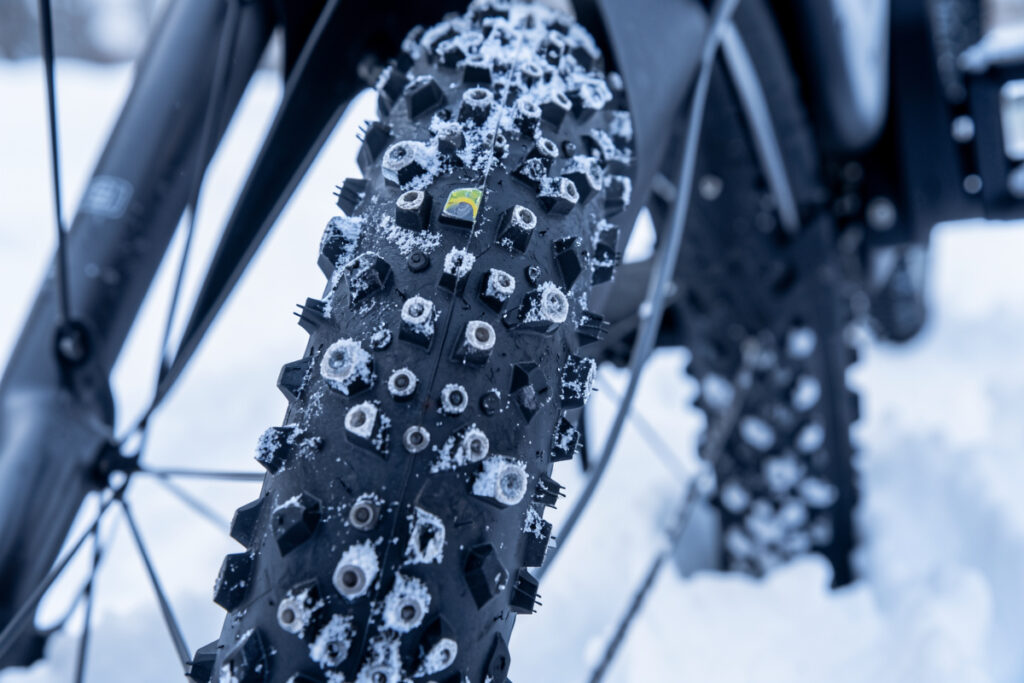
The right studded e-bike tire is the one with enough carbide studs for your ice, a width that fits your rims and fenders, and a casing tough enough for an e-bike’s weight — for most commuters that means a 30-50 mm tire with 100-250 studs in a puncture-protected casing. Stud count, stud material, and width are the three decisions that actually matter; everything else is marketing. I run studs every Swedish winter, and this is how I choose them.
This is a selection guide, not a riding diary — if you want what a season on studs actually feels like, that is over in my studded tires for winter riding piece. Here we are deciding what to buy. It is one of the deep dives under my complete winter e-bike guide, and the single highest-value winter purchase you will make.
Stud Count: Match It to Your Ice, Not Your Ego
Stud count is the first number people fixate on, and more is not automatically better. A commuter on cleared, occasionally-icy bike paths is well served by a lower-count tire of roughly 100-150 studs; a rider crossing genuine sheet ice or frozen lakes wants 200 or more. The high-count race tires that push past 300 studs are built for off-road ice riding, and on tarmac they are slow, loud, and overkill.
The reason the count matters is geometry: studs only grip when they are actually touching ice, so a wider tread with staggered rows keeps more carbide tips in contact through a lean. For a heavier e-bike that carries more momentum into a corner, a slightly higher count than you would pick for an acoustic bike is sensible insurance. But pick for your worst realistic surface, not the most dramatic one you can imagine.
Carbide vs Steel Studs: Pay for Carbide
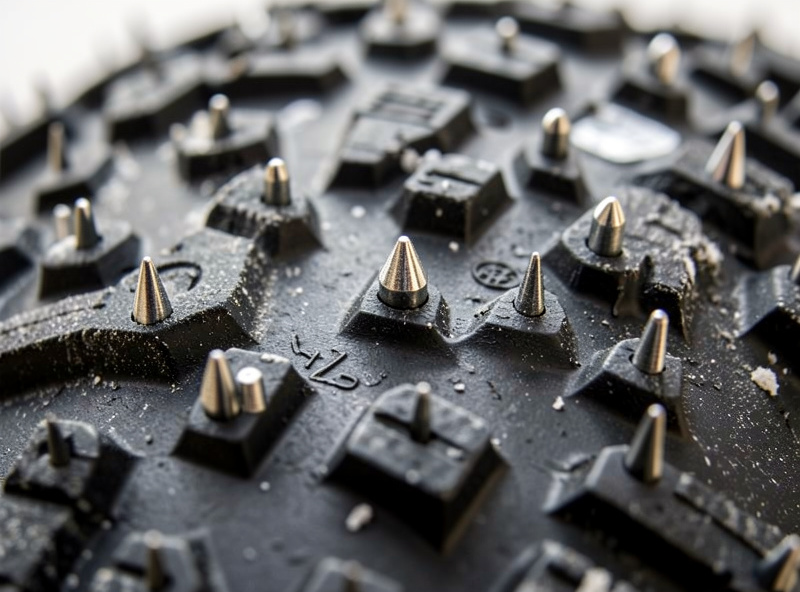
This is the one place I tell people not to economize. Cheap studded tires use plain steel studs that wear blunt within a season of pavement riding, and a rounded stud is a stud that no longer bites. Tungsten carbide tips hold their edge for several seasons even with regular tarmac sections in the commute, which is exactly the mixed surface most of us actually ride.
Carbide tires cost more up front, but amortized over three or four winters they are cheaper per season and dramatically safer at the end of their life. When you compare two tires with the same stud count, the carbide one is the real product and the steel one is a decoration. I have never regretted spending up here, and I have absolutely regretted a blunt-studded bargain tire on a glazed morning.
Width and Fitment: Measure Before You Buy
A studded tire only helps if it fits. Check three clearances before ordering: the internal rim width (most tires list a recommended range), frame and fork clearance with a winter tire’s extra bulk, and crucially your fender clearance, because slush packs into a tight fender gap and locks the wheel. I run my winter tires a touch narrower than I could fit, specifically to leave room for the muck.
Wider is not always better in winter. A moderate width concentrates the bike’s weight into a smaller contact patch, which helps the studs punch through a thin ice film, while a very wide tire can float over loose snow but feels vague on hard ice. For a typical commuter rim, something in the 35-50 mm range is the sweet spot. Match the tire’s bead type to your rim too — a folding bead is lighter and easier to mount, which matters when you are wrestling a stiff winter tire on a cold evening.
Casing, Puncture Protection, and E-Bike Load Rating
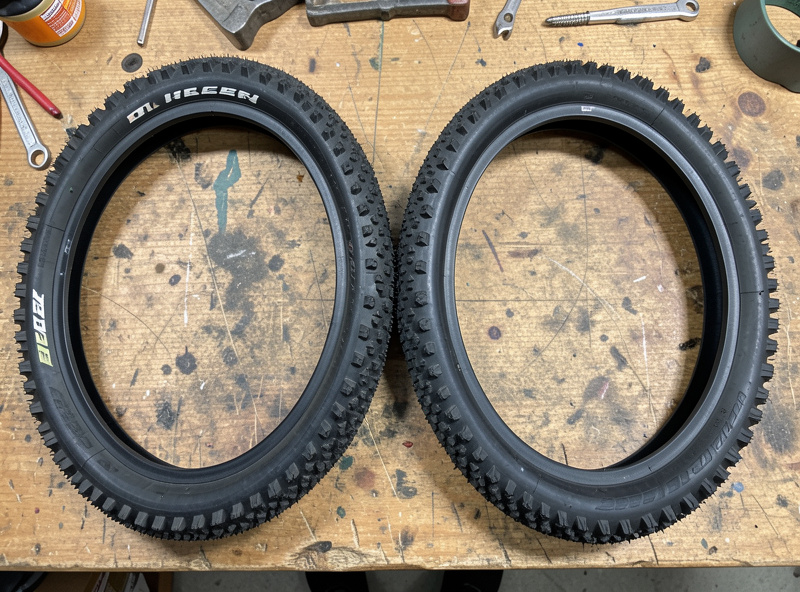
An e-bike is heavier and often faster than an acoustic bike, and that weight goes through the tire casing. Look for a tire rated for e-bike use or at least a robust, higher-TPI casing with a dedicated puncture-protection belt. Winter is the worst time for a flat — freezing fingers, dark roadside, salt everywhere — so the puncture belt earns its keep even though it adds a little rolling resistance.
Reflective sidewalls are a genuine bonus in the dark Nordic commute, making you visible from the side at junctions where a headlight does not help. It is a small thing that pairs well with proper winter lights as part of the whole commuter loadout.
Choosing by Rider Type
Here is how the categories shake out in practice. These are tiers, not exact model specs — published stud counts vary by tire size, so confirm the count for the exact width you order.
| Rider type | Stud count tier | Stud material | Typical width | Priority |
|---|---|---|---|---|
| City commuter, cleared paths | Low (~100-150) | Carbide | 35-42 mm | Low rolling resistance, puncture belt |
| Mixed ice and snow commute | Medium (~150-250) | Carbide | 40-50 mm | All-round grip, reflective sidewall |
| Sheet ice / rural | High (250+) | Carbide | 45-55 mm | Maximum bite |
| Off-road / trail in winter | Very high (300+) | Carbide | 2.0"+ MTB | Aggressive tread, cornering studs |
Break Them In and Run Them Soft
New studded tires need a gentle bed-in: ride them on dry pavement for about 40 km before they meet serious ice, which seats the studs firmly so they do not shed under hard load. Then drop your pressure to the lower end of the printed range once winter arrives, because a softer tire puts more studs on the ground and conforms to uneven ice. I run roughly 0.3-0.5 bar below my summer pressure all winter.
Expect a small range cost — studs and a heavier casing add rolling resistance, so your Wh/km creeps up. That stacks on top of the cold’s own penalty, which I quantify in cold weather range loss. It is a price worth paying; staying upright is cheaper than any crash. As an Amazon Associate I earn from qualifying purchases. For most commuters a carbide-studded tire like the Schwalbe Marathon Winter Plus covers the cleared-path case, while heavier ice calls for a higher-count option such as the Schwalbe Ice Spiker Pro.
Related Reading
- The Complete Winter E-Bike Guide — the master plan this fits into.
- Studded Tires for Winter Riding — what a season on studs feels like.
- Salt and Corrosion Care — protect the bike under those tires.
- Winter Clothing Layering Guide — dressing for the ride.
- The Four-Season Commuter Loadout — the full kit.
Frequently Asked Questions
How many studs does an e-bike winter tire need?
For cleared city paths, a carbide tire with roughly 100-150 studs is enough. Mixed ice and snow commutes want 150-250, and genuine sheet ice or off-road riding calls for 250 or more. Stud count varies by tire size, so confirm the figure for the exact width you buy.
Are carbide studs worth the extra cost?
Yes. Plain steel studs wear blunt within a season of pavement riding and stop biting, while tungsten carbide tips hold their edge for several winters. Amortized over three or four seasons, carbide is cheaper per year and far safer at the end of the tire’s life.
What width studded tire should I get for my e-bike?
For most commuter rims, 35-50 mm is the sweet spot. Check rim, frame, fork, and especially fender clearance before buying, since slush packs into a tight fender gap. A moderate width concentrates weight to punch studs through thin ice better than a very wide tire.
Do studded tires reduce e-bike range?
Slightly. The studs and heavier casing add rolling resistance, so your Wh/km creeps up on top of winter’s cold-range penalty. The effect is modest compared to the safety gain, and running the tire at the lower end of its pressure range keeps the cost reasonable.
Do I need studded tires on both wheels?
For a balanced, predictable bike, yes, run them front and rear. A front stud keeps your steering from washing out and a rear stud keeps drive traction, which matters more on an e-bike feeding motor torque. If budget forces one, the front is the priority for staying upright.