Important Disclaimer
eBikeGarageHQ provides educational content and estimates only. We are not certified installers, financial advisors, or electricians. Always consult with licensed professionals.
A torque sensor measures how hard you press the pedals and scales the motor’s help to your effort, so the bike feels like amplified legs; a cadence sensor only detects that the pedals are turning and delivers a preset push, which feels more like an on/off scooter throttle. This single component shapes how an e-bike rides more than the motor type or the wattage does — and once you’ve ridden a good torque-sensor bike, going back to cadence-only feels jarring. After years on a torque-sensor Bosch mid-drive and a cadence-leaning hub bike, this is the difference I’d make sure any buyer understands before signing.
It matters across the whole market, and it’s independent of the legal class. Whether your bike is an EU pedelec (250 W continuous, assist to 25 km/h) or a US Class 1, 2, or 3 machine, it can use either sensor — the sensor changes feel, not how fast or powerful the bike is allowed to be. So this is purely a ride-quality decision.
What a Cadence Sensor Actually Does
A cadence sensor is the simpler, cheaper system. It’s essentially a switch that watches your pedals: are they turning, yes or no? When they are, the motor delivers the power level you’ve selected on the assist setting, regardless of how hard you’re actually pushing. Spin the cranks lightly and you still get the full preset shove; mash hard and you get exactly the same amount.
The result is a slightly disconnected feel. There’s often a brief delay when you start pedalling, then the assist arrives in a lump, and it keeps coming at a fixed rate until you stop turning the cranks. On flat ground at a steady pace it’s perfectly pleasant, and plenty of riders never mind it. But it’s why budget e-bikes can feel like a motorbike you happen to be pedalling rather than a bicycle that’s helping you.
What a Torque Sensor Does Differently
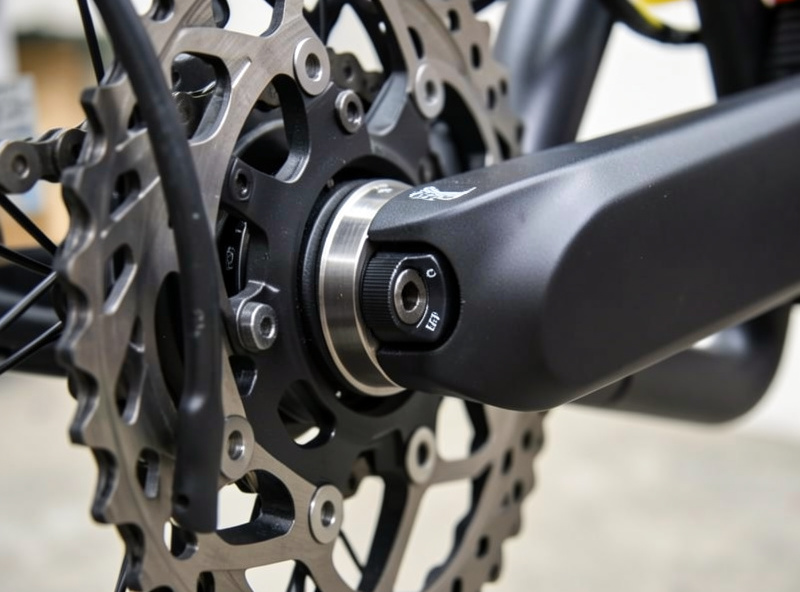
A torque sensor measures the actual force you’re applying to the pedals — typically many times per second — and tells the motor to scale its assistance in proportion. Push gently, get a gentle hand; stamp on it up a hill, get a strong surge right when you need it. The assist tracks your effort in real time, so the motor feels like a multiplier on your own legs rather than a separate engine.
The practical upshot is a ride that feels natural and intuitive. Power arrives instantly and proportionally, eases off as you ease off, and disappears the moment you stop pushing rather than coasting on for a beat. It’s the reason quality e-bikes feel “bike-like” — you’re still clearly riding a bicycle, just a stronger version of yourself. This is the single feature I’d pay up for on any e-bike I planned to ride daily.
Torque vs Cadence: The Honest Comparison
Here’s the side-by-side from riding both for real, not from a spec sheet.
| Aspect | Cadence Sensor | Torque Sensor |
|---|---|---|
| How it works | Detects pedal motion (on/off), delivers preset power | Measures pedal force, scales power to effort |
| Ride feel | Push-from-behind, slightly delayed, scooter-like | Natural, instant, amplifies your own legs |
| Response off the line | Brief lag, then a lump of power | Immediate and proportional |
| Control on technical terrain | Coarser — power keeps coming at a set rate | Fine — power follows your input precisely |
| Exercise feel | You can soft-pedal and still get full assist | You get out what you put in |
| Cost | Cheaper — common on budget bikes | More expensive — common on premium bikes |
Neither is “broken.” A cadence system on a flat-commute hub bike does the job and saves money. But for ride quality, the torque sensor wins clearly, and the difference is most obvious exactly where it matters — starting off, climbing, and handling at low speed.
Where You Feel the Difference Most
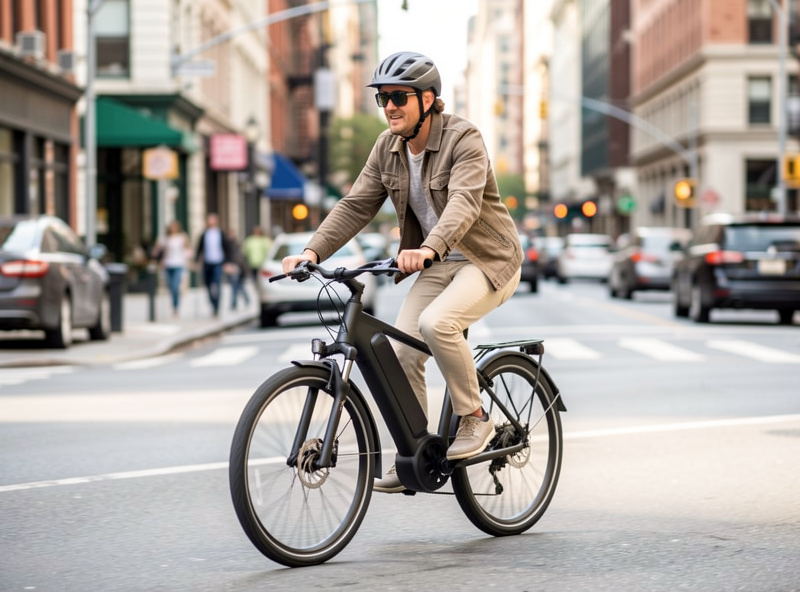
Three situations expose the gap. Starting from a stop: a torque sensor gives you exactly as much help as you ask for, so pulling away in traffic is smooth and controlled; a cadence sensor can lurch as the preset power kicks in after the lag. Climbing: the torque sensor surges harder the harder you push, which is intuitive on a hill — this proportional response is also why a mid-drive conversion kit changes how a bike rides so fundamentally compared to a bolt-on hub replacement; the cadence sensor just keeps delivering its set level whether you’re struggling or coasting. Slow, tight manoeuvring: walking the bike through a crowd or threading a narrow gate, the torque sensor’s proportional response is far easier to control, while a cadence system’s fixed push can be twitchy.
This is also why the sensor and the motor type interact. A torque-sensor mid-drive is the gold-standard bike-like ride, and a cadence-only hub bike sits at the other end. But you can absolutely find torque-sensing hub bikes — they exist and they’re worth seeking out — so don’t assume the sensor from the motor. Check the spec explicitly. For how the motor types themselves compare, see the full hub vs mid-drive guide, and for how each motor handles a climb specifically, the hub motor vs mid-drive on hills breakdown.
Does the Sensor Affect Range?
Indirectly, yes. Because a torque sensor only gives you power in proportion to your effort, you naturally tend to put in more of your own work and draw less from the battery for the same trip — the system rewards pedalling. A cadence system, by contrast, will happily dump its full preset assist while you barely turn the cranks, which is lovely for laziness but harder on the battery. In my own logging the torque-sensor bike posts a friendlier Wh/km when I’m riding actively, simply because the assist follows my legs — though your chosen assist level still moves that number more than the sensor type does. If range is on your mind, the e-bike range guide covers the full Wh-per-km arithmetic, and it is worth knowing how far manufacturer range claims drift from logged reality.
Which Sensor Should You Choose?
If ride quality matters to you at all — and especially if you’ll ride daily, climb, or want the bike to feel like a great bicycle — get a torque sensor. It’s the upgrade I’d prioritise over almost any spec-sheet number, because you feel it on every single pedal stroke. A cadence sensor is acceptable on a budget flat-commute bike where you mostly want a steady push and don’t want to pay the premium, and many happy owners never miss the difference. But if you can test-ride both, do — the feel is immediate and obvious, and most people who try a good torque-sensor bike stop considering cadence-only entirely. Start from the hub vs mid-drive guide to tie the sensor choice together with motor type and weight.
Frequently Asked Questions
Is a torque sensor always better than a cadence sensor?
For ride quality, yes u2014 a torque sensor gives a natural, proportional, instant feel that most riders strongly prefer once they’ve tried it. A cadence sensor is cheaper and fine for steady flat commuting, but it feels more like an on/off push. The only reason to choose cadence is budget or a very simple flat-ground use case.
Can a hub motor have a torque sensor?
Yes. The sensor type is independent of the motor type. Torque-sensing hub bikes exist and are worth seeking out, just as cadence-sensing mid-drives exist. Don’t assume the sensor from the motor location u2014 check the spec sheet explicitly before buying, because it’s not always advertised prominently.
Does the sensor type change my e-bike’s legal class?
No. The sensor only affects how the assist feels, not how fast or powerful the bike is. An EU pedelec is still 250 W continuous with assist to 25 km/h regardless of sensor, and a US Class 1, 2, or 3 bike keeps its class either way. The sensor is purely a ride-feel decision.
Why does my cadence-sensor e-bike feel jerky starting off?
Because a cadence sensor delivers a preset level of power once it detects the pedals turning, often after a brief lag, rather than scaling to your effort. So pulling away you get a lump of assist arriving at once, which feels like a lurch. A torque sensor avoids this by matching power to how hard you actually press from the first stroke.
Will a torque sensor give me more range?
Often, indirectly. Because it only assists in proportion to your effort, you tend to contribute more of your own pedalling and draw less from the battery for the same ride. A cadence system can deliver full assist while you barely pedal, which uses more energy. How much it helps depends on how actively you ride.