Important Disclaimer
eBikeGarageHQ provides educational content and estimates only. We are not certified installers, financial advisors, or electricians. Always consult with licensed professionals.
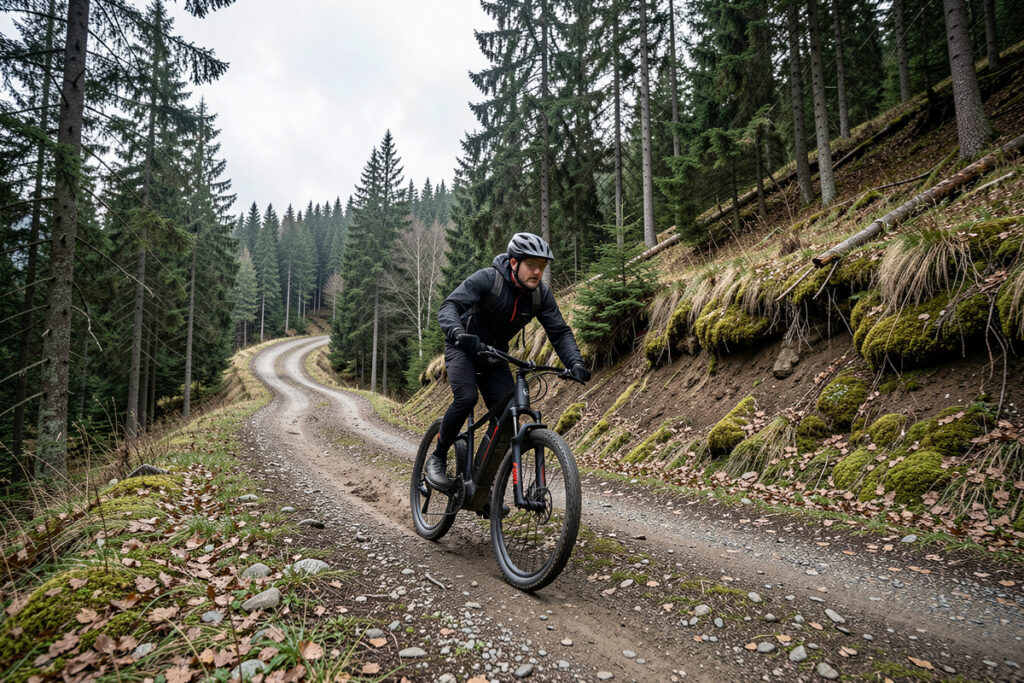
On a sustained steep climb, a mid-drive wins decisively because it gears down with you and keeps the motor in its efficient range; a hub motor is locked to one ratio, bogs below its sweet spot, draws hard from the battery, and heats up. That’s the honest answer from logging both bikes up the same hill on my test loop. But “wins” isn’t the whole story — on short rollers and rolling terrain a good hub bike is perfectly happy, and the gap only becomes a chasm when the climb is long and steep. Here’s exactly what’s happening underneath, and how to know which one your terrain demands.
One thing up front, because it’s where people get the law wrong: motor type doesn’t change your legal limits. In the EU a pedelec is capped at 250 W continuous and assist cuts at 25 km/h whether it’s a hub or a mid-drive. In the US the same Class 1/2/3 framework (20 mph for Class 1 and 2, 28 mph for Class 3) applies to both. Climbing ability is about how the motor applies its legal power, not about more power.
Why Gearing Decides Everything on a Climb
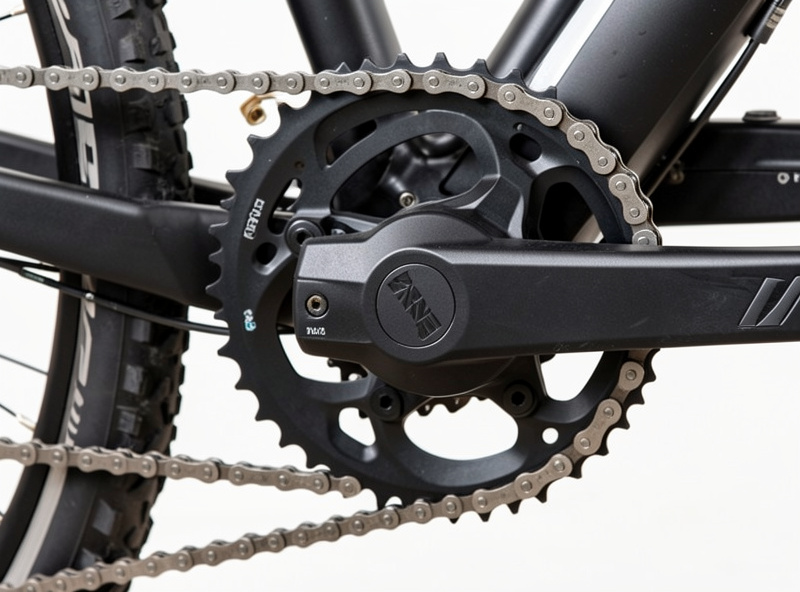
A mid-drive sits at the cranks and sends its power through your cassette, so when you shift to a low gear you’re gearing down the motor exactly the way you gear down your own legs. That lets the motor keep spinning fast — in its efficient, torque-rich RPM band — while the wheel turns slowly up the hill. It’s the same trick that lets a small car engine climb a mountain in first gear. The motor never has to work outside the range it’s good at.
A hub motor can’t do this. It drives the wheel directly at a fixed mechanical relationship, so on a steep enough hill the wheel slows down and the motor is forced to turn slowly too — down below the speed where it makes power efficiently. Now it’s pulling lots of current to make torque the hard way, the controller is working overtime, and energy that isn’t going into forward motion is coming out as heat. Your gears do nothing for the hub motor; shifting only changes how hard your legs work, not the motor.
The Heat Problem Nobody Mentions at the Shop
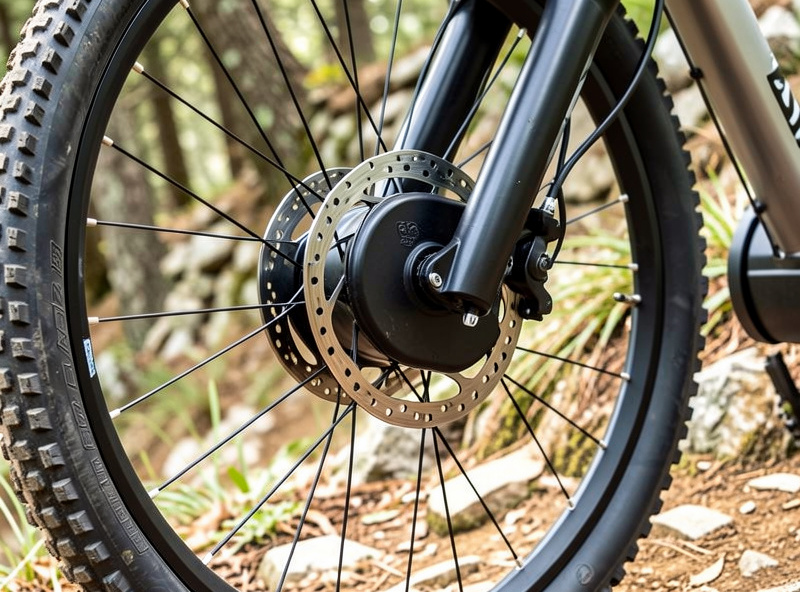
This is the part that surprises new owners. When a hub motor labours below its efficient speed, it doesn’t just feel slow — it gets hot, and it’s sealed inside a wheel hub that can’t shed heat quickly. On a long climb a budget hub motor will start to reduce its own output to protect itself from overheating, which feels like the bike “giving up” two-thirds of the way up. It’s not broken; it’s thermal self-protection doing its job.
A mid-drive sidesteps this because gearing keeps its RPM up, so it does the same work while staying cooler. On my test loop there’s one long, steady drag of a climb, and it’s the cleanest demonstration I have: the mid-drive holds power to the top in a low gear, while the hub bike noticeably warms up and gets thirsty. If your daily ride has one big sustained climb — a bridge, an escarpment, a long hill home — weight that heavily toward a mid-drive.
When a Hub Motor Is Perfectly Fine on Hills
I don’t want to scare anyone off hub motors, because most people don’t ride mountain passes. On short rollers — the kind of hill you crest before the motor even gets warm — a hub motor handles it without complaint. A geared hub motor (most quality hub bikes use one) has internal reduction gearing that gives it more low-speed grunt than a cheap direct-drive hub, so it climbs short, moderate hills happily. If your terrain is flat-to-rolling with the occasional bump, a good hub bike will never make you wish for a mid-drive on the climbs.
The crossover point, roughly, is duration and steepness. Brief or gentle: hub is fine. Long and steep, repeatedly, every ride: mid-drive earns its premium. Be honest about which describes your real routes, not the worst hill you’ll climb twice a year.
Battery Drain: Climbing Is Where Range Goes to Die
Climbing is the most energy-hungry thing you ask an e-bike to do, and the efficiency gap shows up directly in watt-hours per kilometre. Because the mid-drive keeps the motor efficient on the climb, it spends fewer Wh getting you up the same hill — I see a clearly lower Wh/km on the climbing sections of my loop with the mid-drive. The hub motor, fighting outside its sweet spot, burns more for the same elevation. Over a hilly route that adds up to a real range difference, even though on flat ground the two are nearly even.
If you want to understand how that arithmetic turns into actual kilometres — usable Wh divided by your measured Wh/km — that’s the whole methodology in my e-bike range guide. For the hills decision specifically, just know that the mid-drive’s climbing efficiency is the main place its range advantage is real.
One Honest Catch: Mid-Drives and Drivetrain Wear on Climbs
The mid-drive’s climbing trick has a cost, and I’d be selling you a fantasy if I skipped it. Every watt the motor makes on that low-gear climb runs through your chain and cassette under heavy load — and grinding up hills in a low gear is the hardest-wear scenario there is. On my mid-drive I track chain stretch with a wear gauge and replace the chain earlier than I would on any other bike, because a worn chain under climbing torque chews through an expensive cassette fast. It’s not a dealbreaker; it’s a consumable budget. I keep a chain-wear checker in the toolbox and actually use it.
As an Amazon Associate I earn from qualifying purchases. The one tool I’d genuinely tell a mid-drive owner to buy is a bike chain wear indicator gauge — checking chain stretch monthly is what saves the cassette under climbing loads — the climbing wear is real, and the full motor-choice picture is in the hub vs mid-drive guide.
So, Which Climbs Better for You?
If your routes mean real, sustained climbing, the mid-drive is the right tool — it gears down, stays efficient, runs cooler, and sips less battery up the hill. If your terrain is flat-to-rolling with short bumps, a quality geared hub motor climbs them fine and saves you money and drivetrain wear. Decide on your honest daily elevation, not the steepest hill in your region. And ignore the Nm figure on the box — a mid-drive’s torque is multiplied by your gears and a hub’s isn’t, so the two numbers aren’t comparable. For the full picture across hills, ride feel, maintenance, and weight, start from the hub vs mid-drive guide.
Frequently Asked Questions
Can a hub motor climb steep hills at all?
Yes, but with limits. A geared hub motor will climb short and moderate hills fine. On long, steep, sustained climbs it falls below its efficient speed, draws heavy current, heats up, and a budget unit may reduce power to protect itself. It gets you up — just less efficiently and with more strain than a mid-drive.
Does a higher Nm rating mean better hill climbing?
Not in a way you can compare across motor types. A mid-drive’s torque is measured before your gears multiply it, while a hub motor’s is measured at the wheel. So a mid-drive and a hub motor with the same Nm figure are not equals on a hill — the mid-drive can effectively multiply its number through a low gear. Judge climbing by motor architecture, not the Nm on the box.
Why does my hub-motor e-bike slow down on long hills?
Most likely thermal protection. On a long climb the motor runs below its efficient speed, generates heat inside a sealed hub that can’t shed it fast, and the controller reduces output to keep temperatures safe. It’s normal behavior for many hub motors on sustained grades, not a fault — though it does signal the bike is working outside its comfort zone.
Is a mid-drive’s range advantage real on hills?
Yes. Because the mid-drive keeps the motor efficient by gearing down, it spends fewer watt-hours per kilometre on a climb than a hub motor fighting outside its sweet spot. The advantage is concentrated in the hills — on flat ground the two motor types use roughly similar energy, so don’t expect a big range win on level terrain.
Do hub and mid-drive bikes have the same legal speed limit?
Yes. The law regulates assist behavior, not motor position. In the EU both are limited to 250 W continuous with assist ending at 25 km/h. In the US both follow the Class 1/2/3 system, with Class 1 and 2 capped at 20 mph and Class 3 at 28 mph. Climbing ability comes from how the motor applies its legal power, not from extra power.
Related Guides
More from This Cluster
- “Conversion Kit Implications: Hub vs Mid-Drive
- “Hub or Mid-Drive for Commuting: Which One to Buy”
- “E-Bike Weight Distribution and Ride Feel: Where the Mass Sits”
- “Hub vs Mid-Drive Maintenance: The Honest Cost of Each”
- “Torque Sensor vs Cadence Sensor: How Each One Feels to Ride”
- “Hub Motor vs Mid-Drive: The E-Bike Choice That Actually Matters”