Important Disclaimer
eBikeGarageHQ provides educational content and estimates only. We are not certified installers, financial advisors, or electricians. Always consult with licensed professionals.
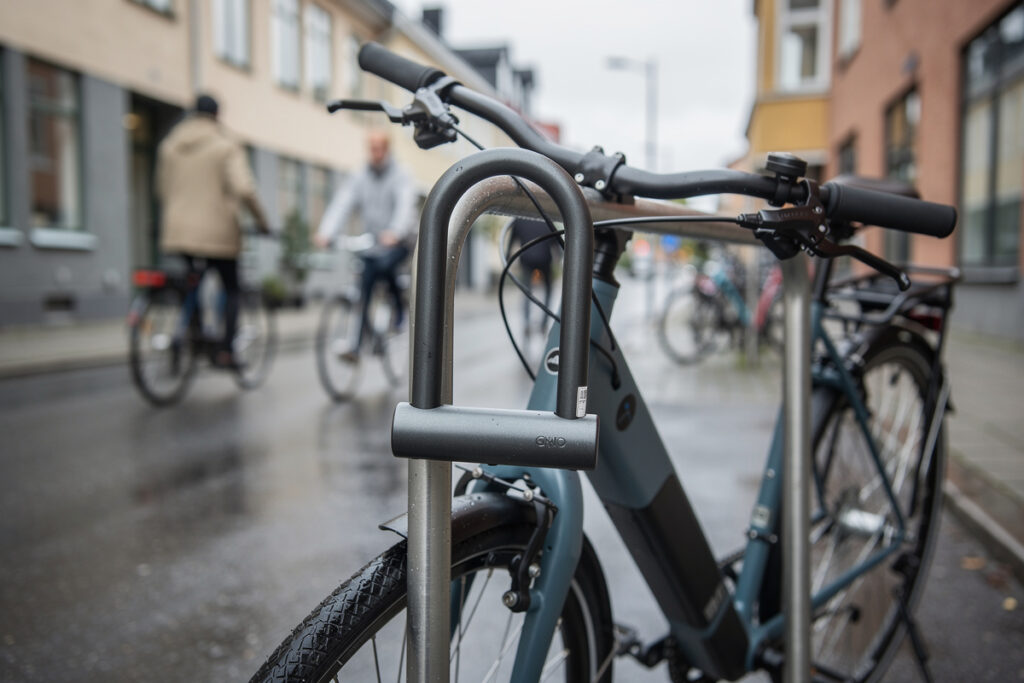
The best lock for e-bike security is a hardened-steel U-lock or a thick chain (10-13 mm links) carrying an independent security rating, used through the frame, the rear wheel, and a fixed anchor. Steel diameter and hardness decide how long a lock survives an attack far more than the brand on the box, and on an expensive bike the heavier rating is worth the weight.
I have bought, carried, and quietly retired a fair pile of locks over years of year-round Swedish commuting, and the pattern is always the same: the locks that fail are thin, lightly rated, or relied on alone, and the ones that work are heavy, independently rated, and paired with a second lock. This article is about choosing the primary lock well, because that one decision is the spine of your whole security setup. It sits inside the broader strategy in my e-bike anti-theft guide, but here I am going deep on the lock itself.
What Makes One Bike Lock Stronger Than Another?
Three things decide a lock’s strength: the diameter and hardness of the steel, the quality of the locking mechanism, and the design of the shackle or chain links. A 16 mm hardened shackle resists bolt cutters and levers that destroy a 12 mm one, while a protected keyway defeats the quiet picking and bumping attacks that a cheap flat key invites. Weight is the honest proxy: at the consumer level, a heavier lock is almost always a stronger lock.
The marketing numbers printed on packaging are close to meaningless because every brand invents its own scale. What matters is independent testing. Sold Secure (Bronze, Silver, Gold, Diamond) and ART (1 to 4 stars) are the two ratings worth knowing, because they are issued by labs that actually attack the locks, and insurers reference them. A lock with a real Gold or Diamond, or ART 3 to 4, has been beaten on by professionals; a lock with only a brand’s own “level 10 of 10” has been beaten on by its own copywriters.
The mechanism matters as much as the metal for the quiet attacks. Disc-detainer cylinders done well are hard to pick; cheap copies are trivial. I will not get into picking specifics here, but the takeaway is simple: buy a reputable brand with an independent rating and you get both a strong body and a strong lock cylinder, because the labs test both.
U-Lock vs Chain Lock: Which Should You Buy?
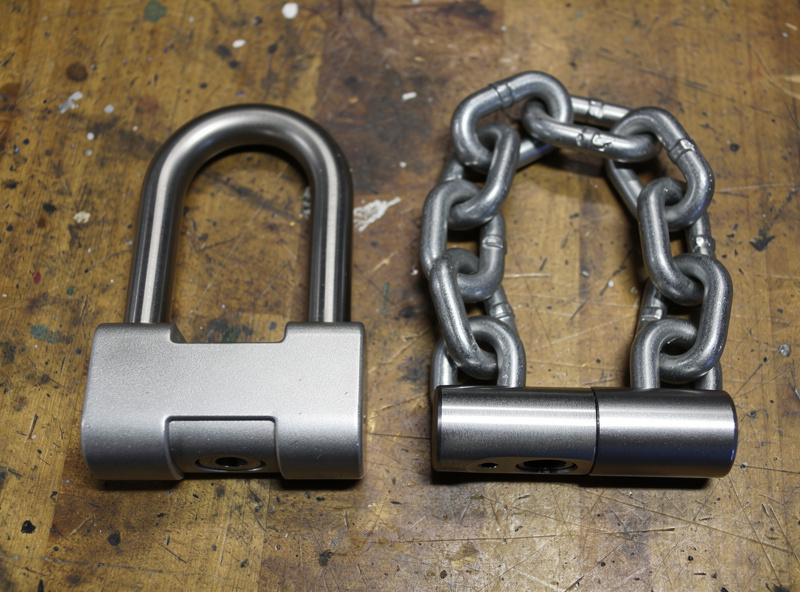
A U-lock gives you the most steel hardness per gram and resists leverage attacks well, while a chain lock gives you reach and flexibility to lock around awkward anchors but weighs more for the same security. For most riders the answer is a quality hardened U-lock as the primary, with a chain reserved for situations where a U-lock simply cannot reach the anchor.
The U-lock’s strength is its rigidity: a short, fat hardened shackle has very little room for a bolt cutter to bite or a jack to spread, which is exactly why the best-rated locks are U-locks. Its weakness is geometry, if the only thing to lock to is a fat post or you need to capture both wheels, the small loop fights you. That is where the angle-grinder-resistant chains earn their place, with reach a U-lock cannot match.
My everyday setup is a mid-weight hardened U-lock that lives in a frame mount, plus a long heavy chain that stays locked at the rack I use most so I am not hauling it daily. That split, a U-lock for portability and a chain stationed where I need reach, is the practical compromise. The case for running both at once, not either-or, is the whole point of the layered approach in my anti-theft guide.
Why Cable Locks Are Not Security
A cable lock is not a security lock, full stop: even a thick braided cable surrenders to a small pair of bolt cutters in seconds, silently, which is why cable-only theft is the most common bike theft there is. The only legitimate job for a cable on an e-bike is as a secondary leash, looping a front wheel or saddle back to a real lock, never as the thing protecting the frame.
The reason cables persist is that they are light, cheap, and long, all the things that make a lock convenient and none of the things that make it secure. I keep a thin cable for exactly one purpose: passing it through my front wheel and back to the U-lock so the wheel does not walk away while the frame is secured. Used that way it adds a little coverage for almost no weight. Used as a primary, it is theater.
If your bike came with a cable lock in the box, treat it as the manufacturer including a courtesy item, not as the security solution. The single most common upgrade I recommend to new e-bike owners is to retire the bundled cable to leash duty and buy a real primary lock the same week they buy the bike.
How Much Should You Spend on a Lock?
Spend roughly in proportion to the bike and the risk: a budget commuter parked briefly in a low-theft town can be safe with one solid mid-tier rated lock, while a high-value e-bike left at a city rack daily justifies a Gold or Diamond primary plus a second lock, which together can run a meaningful but sane fraction of the bike’s value. A lock that costs less than your insurance excess but saves the whole bike is cheap.
The wrong way to economize is to buy one big lock and skip the second; the right way is to match total spend to the bike and split it across two complementary locks. I would rather see someone run two mid-rated locks than one premium lock alone, because two designs defeat more attacks than one design however good. The exception is a genuinely cheap beater bike, where the bike is worth less than a serious lock setup and a single decent U-lock is proportionate.
One more piece of value math: a good lock outlives the bike. The hardened U-lock I carry is on its second bike and will likely see a third. Amortized across years and bikes, the cost per ride of a quality lock is trivial. You can browse hardened-steel U-locks and thick chain locks to see the rated options in the right weight class.
How to Lock Your E-Bike Properly
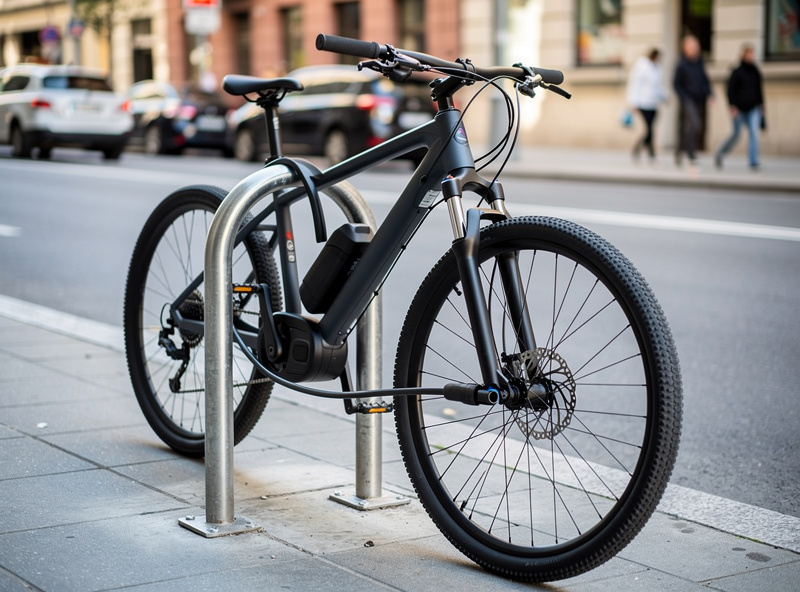
The best lock is wasted if it is used badly: thread the shackle through the frame’s main triangle and the rear wheel, lock to an immovable anchor, fill the inside of the U-lock so there is no room for a jack, and keep the lock body off the ground where it is harder to smash. Locking the wheel only, or the bike to itself, is the most common and most expensive mistake riders make.
The rear wheel is the priority capture because it is the most expensive to replace and, threaded with the frame, it secures both. Lock to something genuinely fixed, a ground anchor, a solid stand bolted down, a substantial rack, not a flimsy sign post a thief can lift the bike over or a railing that unbolts. Position the keyhole facing down or inward so it is awkward to attack, and keep the lock high off the pavement so it cannot be smashed against the ground with a hammer.
I lock the same way every time so it is muscle memory rather than a decision: U-lock through rear wheel, frame, and anchor; chain or cable for the front wheel; battery off if I am leaving it long. That repeatable routine is the difference between a setup that is occasionally great and one that is reliably good. Taking the battery with you is part of the same habit, and the bikes I lock are the same ones I log on my range loop and the same drivetrains I weigh up in hub versus mid-drive.
Some links above are affiliate links. If you buy through them I may earn a small commission at no extra cost to you. I only point at gear I would run on my own bike.
Frequently Asked Questions
What is the most secure type of bike lock?
A hardened-steel U-lock with an independent Gold or Diamond (Sold Secure) or ART 3-4 rating is the most secure per gram. A thick rated chain (10-13 mm) is comparable but heavier. Steel hardness and an independent rating matter far more than brand marketing.
Is a U-lock or chain better for an e-bike?
A U-lock gives more hardness per gram and resists leverage best, so it is the better primary for most riders. A chain adds reach for awkward anchors but weighs more. The strongest setup runs a U-lock plus a chain together, not one or the other.
Are cable locks safe for e-bikes?
No. Even thick cable locks are cut silently by small bolt cutters in seconds, which is why cable-only theft is so common. Use a cable only as a secondary leash for the front wheel or saddle, never as the primary lock on the frame.
How much should I spend on an e-bike lock?
Spend in proportion to the bike and risk. A high-value e-bike at a daily city rack justifies a Gold or Diamond primary plus a second lock, a sane fraction of the bike’s value. A good lock also outlives the bike, so cost per ride is low.
What security rating should I look for in a bike lock?
Look for an independent rating, not a brand’s own scale. Sold Secure Gold or Diamond, or ART 3 to 4 stars, mean a real lab attacked the lock. Insurers reference these ratings, so they also help if you ever claim after a theft.