Important Disclaimer
eBikeGarageHQ provides educational content and estimates only. We are not certified installers, financial advisors, or electricians. Always consult with licensed professionals.
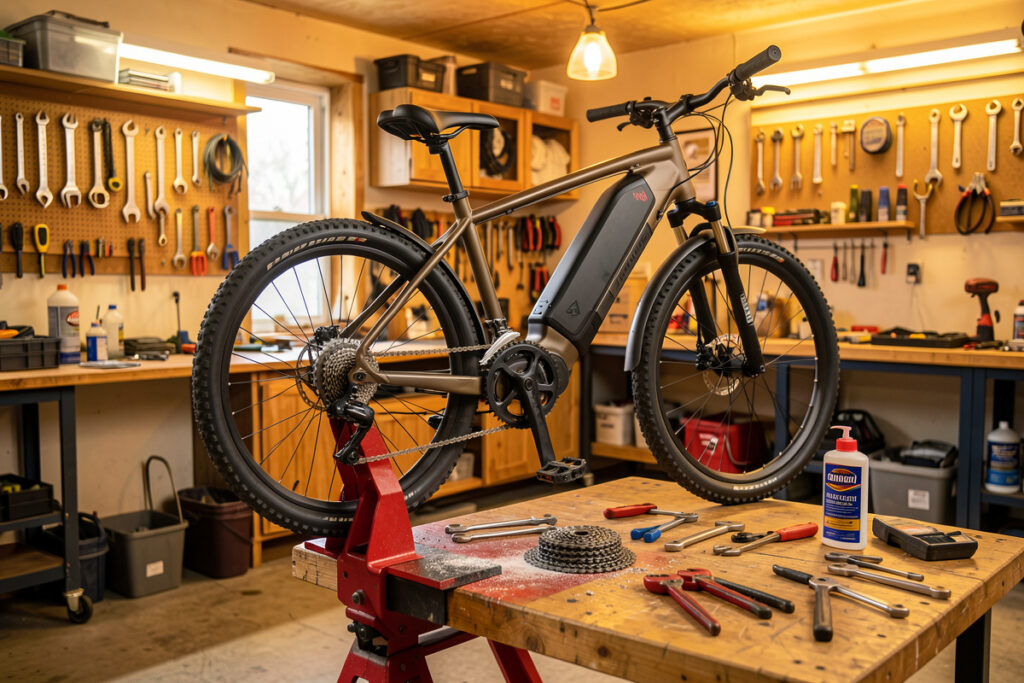
A mid-drive runs all its torque through your chain and cassette, so it wears the drivetrain faster and you’ll replace chains earlier; a hub motor doesn’t touch the drivetrain at all, so its chain wears like a normal bike’s — but its quirks live in the wheel, where flats and spoke checks are more awkward. Neither is high-maintenance if you stay ahead of it, but they hand you different bills. After years of wrenching on a Bosch mid-drive, an Aventon-class hub bike, and my own Bafang-class conversion, here’s the honest maintenance picture the brochures skip.
One thing that’s identical on both: the motor type doesn’t change your legal class or your servicing obligations under the law. An EU pedelec stays a 250 W / 25 km/h machine and a US Class 1/2/3 bike keeps its class no matter how you maintain it. This is purely about keeping the bike running well and cheaply.
The Big Difference: Drivetrain Wear
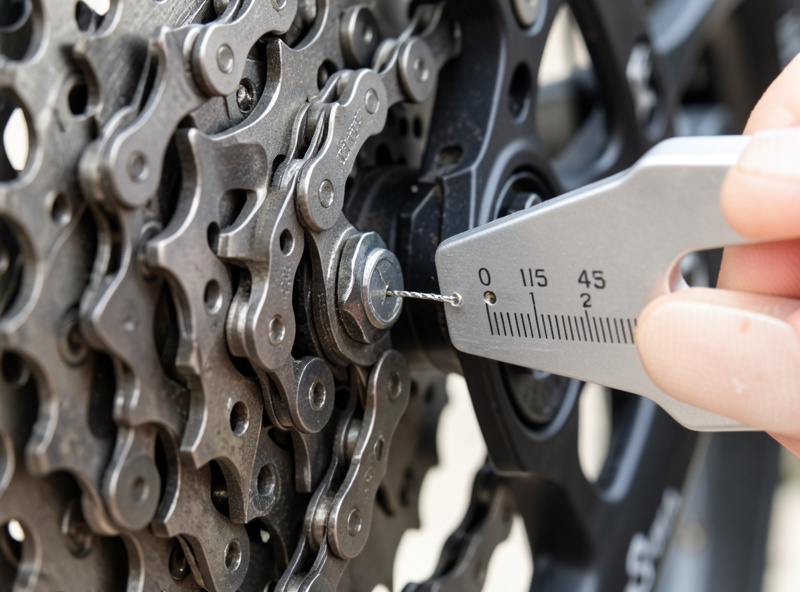
This is the headline. On a mid-drive, every watt the motor produces is delivered through your existing chain, cassette, and chainring — on top of your own pedalling force. That’s a lot of load on parts designed for human legs alone, and it shows. On my mid-drive the chain stretches faster than on any acoustic bike I’ve owned, and if I let a worn chain keep running, it starts chewing the cassette, which is the expensive part. So I check chain wear roughly monthly and swap the chain at the first sign of stretch to protect everything downstream.
A hub motor is the opposite. Because the motor drives the wheel directly and never loads the chain, the drivetrain on a hub bike wears at the same rate as a non-assisted bicycle. You still clean and lube it, but you’re not burning through chains and cassettes on any accelerated schedule. If low drivetrain upkeep is a priority, that’s a genuine point for the hub motor.
Maintenance Compared, Job by Job
Here’s how the routine actually differs across the two, from my own service rhythm.
| Job | Hub Motor | Mid-Drive |
|---|---|---|
| Chain replacement | Normal-bike intervals | Earlier and more often — motor torque accelerates wear |
| Cassette/chainring | Long life | Wears faster if chain isn’t kept fresh |
| Fixing a flat | More awkward — motor cable, torque washer at the rear | Wheels come off normally |
| Spoke tension | Check the heavy motorized wheel periodically | Standard wheel care |
| Brake pads | Wear faster than acoustic — heavy bike | Wear faster than acoustic — heavy bike |
| Bottom bracket area | Standard | Busier — motor mount; occasional service |
| Chain lube/cleaning | Regular | Regular, and more important under load |
The pattern: the hub asks for occasional attention to the wheel and saves you on drivetrain consumables; the mid-drive keeps the wheels simple but charges you in chains and cassettes. Brakes wear faster on both simply because e-bikes are heavy and fast — that’s a weight thing, not a motor thing, and where the mass sits matters too, as the full hub vs mid-drive guide covers.
The Tool That Saves You the Most Money
If you own a mid-drive, the highest-return habit is checking chain stretch and replacing the chain before it wears the cassette. A worn chain is cheap; a worn cassette plus chain plus chainring is not. I keep a chain-wear gauge clipped to the toolbox and use it monthly, more often in winter when grit accelerates everything.
As an Amazon Associate I earn from qualifying purchases. Two things genuinely earn their place on the bench: a bike chain wear checker so you catch stretch before it spreads, and a good bicycle chain lube to keep the drivetrain running clean — doubly important on a mid-drive where a dry, gritty chain wears under motor load. Those two cheap items extend the life of the most expensive consumables on the bike.
Hub-Motor Quirks: The Rear Wheel
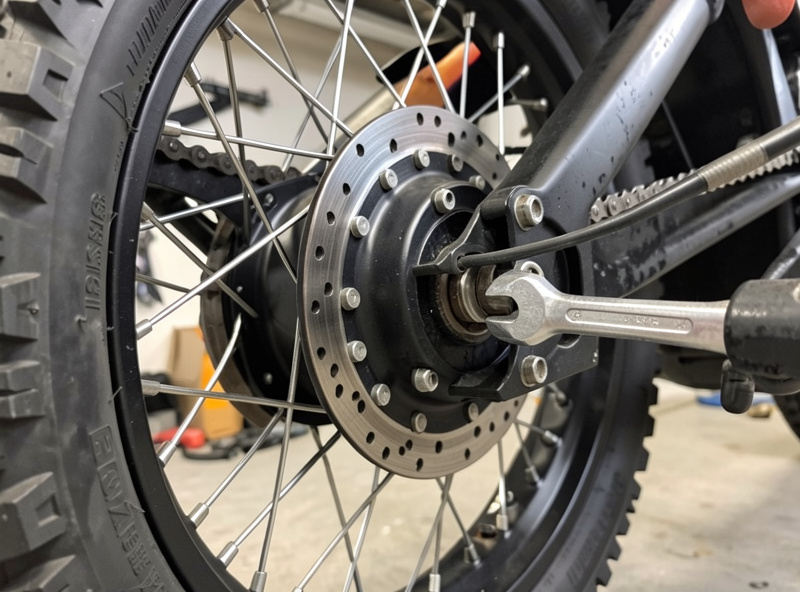
The hub motor’s awkward jobs all live at the back wheel. Fixing a rear flat means dealing with the motor’s power cable and often a torque washer that keeps the axle from spinning in the dropout — not hard once you’ve done it, but more fiddly than a normal wheel, and worth practising at home before you need it on a cold roadside. The motorized rear wheel is also heavy, which puts more load on its spokes, so an occasional spoke-tension check (and re-truing if needed) is sensible. None of this is frequent; it’s just the trade for a drivetrain that lasts.
Mid-Drive Quirks: The Bottom Bracket
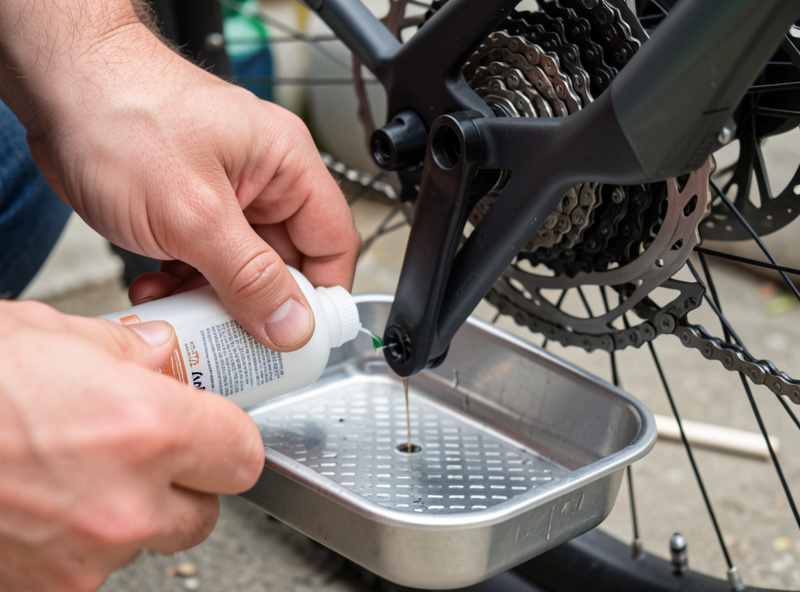
The mid-drive concentrates its complexity at the cranks. The motor mounts around the bottom bracket area, which makes that region busier and means occasional service is best left to someone who knows the system. Day to day, though, the mid-drive’s real demand is drivetrain discipline — fresh chain, clean cassette, good lube. Stay on top of those and a mid-drive is reliable; neglect the chain and you’ll pay for it in cascading wear. The deeper you go on either system, the more it pays to understand the whole decision, which is laid out in the hub vs mid-drive guide.
So Which Is Cheaper to Live With?
Over a few years of regular riding, a hub bike usually costs less to maintain because its drivetrain lasts and its quirks are infrequent. A mid-drive costs more in consumables — budget for chains and the occasional cassette — in exchange for the climbing ability and bike-like ride it gives you (see hub motor vs mid-drive on hills and torque sensor vs cadence sensor for why people pay that premium). Neither is a burden if you stay ahead of it, and the consumables stay cheap. Decide which bill suits you: occasional wheel work and low parts cost, or a slightly busier drivetrain in return for a better ride.
Frequently Asked Questions
Do mid-drive e-bikes really wear out chains faster?
Yes, noticeably. Because the motor sends all its torque through the chain and cassette, those parts see far more load than on a non-assisted bike, so chains stretch sooner. The fix is cheap and simple: check chain wear monthly and replace the chain at the first sign of stretch to protect the much more expensive cassette.
Is a hub motor easier to maintain than a mid-drive?
In most respects, yes. A hub motor doesn’t load the drivetrain, so chains and cassettes last like a normal bike’s, and its only real quirks are at the rear wheel — flats and spoke checks. A mid-drive keeps the wheels simple but demands more drivetrain attention. Over time the hub bike usually costs less in consumables.
How often should I replace the chain on a mid-drive e-bike?
Sooner than on an acoustic bike — let chain wear, not a calendar, decide. Check stretch with a chain-wear gauge roughly monthly (more often in gritty winter conditions) and swap the chain as soon as it shows wear. Riding a stretched chain under motor torque quickly ruins the cassette, which costs far more than a chain.
Why is fixing a flat harder on a hub-motor bike?
Because the motor lives in the rear wheel. Removing that wheel means working around the motor’s power cable and usually a torque washer that locks the axle in the dropout. It’s not difficult once you’ve practised, but it’s fiddlier than a standard wheel, so it’s worth doing once at home before you face it on the road.
Do brake pads wear faster on e-bikes?
Yes, on both motor types, because the wear comes from weight and speed rather than the motor. E-bikes are heavier and travel faster than acoustic bikes, so the brakes do more work and the pads wear sooner. Plan to check and replace pads more often than you would on a regular bicycle, regardless of hub or mid-drive.
Related Guides
- Hub vs Mid-Drive: The Complete Guide
- Hub Motor vs Mid-Drive on Hills
- Torque Sensor vs Cadence Sensor Feel
- E-Bike Range Guide
More from This Cluster
- “Conversion Kit Implications: Hub vs Mid-Drive
- “Hub or Mid-Drive for Commuting: Which One to Buy”
- “E-Bike Weight Distribution and Ride Feel: Where the Mass Sits”
- “Torque Sensor vs Cadence Sensor: How Each One Feels to Ride”
- “Hub Motor vs Mid-Drive on Hills: What Actually Climbs”
- “Hub Motor vs Mid-Drive: The E-Bike Choice That Actually Matters”